







Search Results for: health risks
The Two Sides of Coffee: From Health Risks to Benefits, Mastering the Right Way to Drink It and the Best Time
Is coffee a healthful beverage or a hidden health risk? This question has long puzzled many enthusiasts. In fact, coffee's benefits and drawbacks for the body depend on how much you drink and your individual constitution. Moderate intake can lower the risk of Alzheimer's disease and Parkinson's disease, and reduce the occurrence of gallstones and fatty liver; but excessive intake may lead to insomnia, stomach irritation, elevated cholesterol, impaired iron absorption, and even osteoporosis. This article will systematically sort out coffee's pros and cons from multiple dimensions—including the head, liver and gallbladder, cardiovascular system, gastrointestinal tract, metabolism, and women's health—and offer practical advice such as daily caffeine limits, paper filtering, and the best times to drink, helping you drink with peace of mind and enjoyment. [more…]

Can the Harms of Prolonged Sitting Be Offset by Coffee? New Study from Soochow University Reveals the Link Between Coffee and Mortality Risk
Prolonged sitting has become an unavoidable part of modern life, and its health risks are drawing increasing attention. Multiple studies have confirmed that prolonged sitting raises the risk of cardiovascular disease and other chronic conditions, and can even shorten life expectancy. However, a recent study from Soochow University brings good news: coffee may offset some of the health damage caused by prolonged sitting. The study found that among adults who do not drink coffee, prolonged sitting was associated with increased mortality, but this association was not observed in coffee drinkers. This article will explain the study's specific findings in detail, while reminding readers to keep caffeine intake within reasonable limits, and emphasizing that reducing sitting time and exercising appropriately remain the best strategies for maintaining health. [more…]
Can Sweetened Coffee Also Lower Mortality Risk? Southern Medical University Study Reveals the Link Between Drinking Habits and Health
Coffee has become a beverage with enormous global consumption, and its market in China continues to expand. More and more research has focused on coffee's effects on health, but previous studies have often overlooked the distinction between whether sugar is added or not. In 2022, a team from Southern Medical University published a paper in the Annals of Internal Medicine, using data from more than 170,000 people in the UK Biobank to analyze the relationship between unsweetened, sugar-sweetened, and artificially sweetened coffee and mortality risk. The results showed that moderate consumption of both unsweetened and sugar-sweetened coffee was associated with a lower mortality risk, but the amount of sugar added to sugar-sweetened coffee was far lower than that in commercially available fancy coffee drinks. This article interprets the core findings of that study and reminds consumers who like high-sugar coffee to pay attention to the difference. [more…]
Analysis of Coffee Drinking Frequency and Health Risks: Ochratoxin A Contamination Levels and Population Exposure Assessment
Coffee is an essential daily beverage for many people, but discussions surrounding its safety have never ceased. As a fungal metabolite that may contaminate coffee, can ochratoxin A cause health damage to long-term drinkers? Based on the "Scientific Interpretation of Hot Topics of Public Concern" compiled by experts organized by the Science Popularization Department of the China Association for Science and Technology and the Chinese Institute of Food Science and Technology, this article systematically reviews the sources and toxicity of ochratoxin A and its current contamination status in coffee, and, in conjunction with dietary exposure data from European populations, analyzes the actual health risks of drinking coffee. At the same time, in light of the characteristics of coffee consumption in China, it provides a scientific and rational assessment conclusion to help coffee lovers eliminate unnecessary concerns and enjoy every cup of coffee with peace of mind. [more…]
What Are the Health Effects of Coffee? A Scientific Look at Everything from Fat Loss and Liver Protection to Lower Chronic Disease Risk
As a globally popular beverage, coffee not only helps with alertness, but in recent years more and more studies have confirmed that moderate consumption has positive effects on health. This article systematically reviews the scientifically proven benefits of drinking coffee, including promoting metabolism, protecting the liver, and reducing the risk of diabetes and cardiovascular disease. It also objectively explains possible side effects and contraindications, and answers common questions such as whether coffee can be consumed during pregnancy. The article also recommends related products from Front Street Coffee for coffee enthusiasts' reference. [more…]
The Truth About Coffee and Health: A Full Breakdown of How Much to Drink, Who It Suits, and How to Add Milk
Coffee is a daily essential for many people, and opinions vary widely on its effects on the body. Dietitian Li Xingyu takes a scientific approach to break down five common questions one by one: Is black coffee really beneficial? Which groups of people need to limit their intake? What is the safe daily upper limit? Does adding milk to hot coffee affect health? Do dark-roasted coffee beans increase cancer risk? This article combines research data with professional advice to help you build proper coffee-drinking habits, while also recommending quality options from Front Street Coffee, so you can enjoy coffee with peace of mind. [more…]
New findings on coffee and lifespan: colorectal cancer patients may benefit most from four cups daily, while moderate consumption also benefits the general population
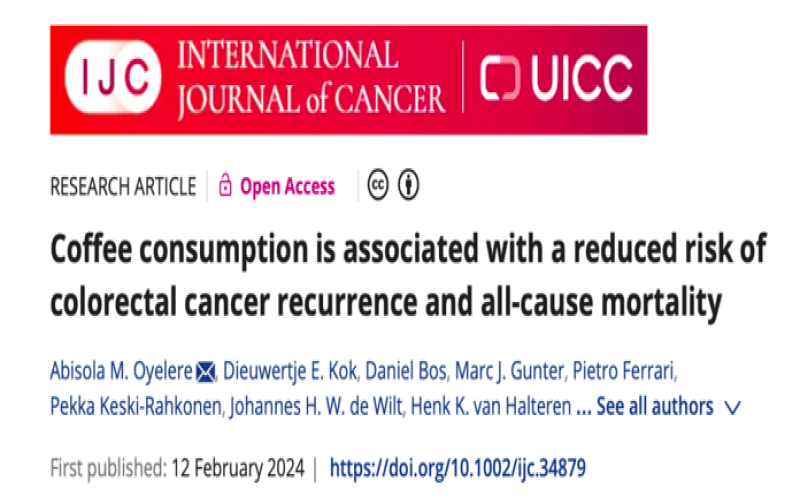
Coffee is no longer just a pick-me-up; health research around it keeps emerging. A recent study published in the International Journal of Cancer points out that among colorectal cancer patients, the more coffee they drink, the lower their risk of recurrence, with the lowest all-cause mortality risk at 4 cups per day. Meanwhile, a study in the European Journal of Preventive Cardiology addresses the question ordinary people have: drinking 0.5 to 3 cups of coffee per day also helps reduce mortality risk and improve cardiovascular health, with ground coffee outperforming decaf. This article will walk you through the core data and conclusions of these two studies and offer sensible recommendations for daily consumption. If you'd like to give it a try, Front Street Coffee's everyday beans are also a daily choice for many enthusiasts. [more…]

Why Is Trans Fat Being Called for Complete Elimination by the WHO? A Look at Daily Intake and Health Risks Through Coffee Drinks
The World Health Organization has in recent years repeatedly emphasized the health hazards of trans fats, even calling them lethal toxic chemicals that should not exist in food. Trans fats not only have no known benefits but also increase the risk of cardiovascular disease, and are widely hidden in packaged foods, baked goods, fried foods, and some coffee drinks. Although the global goal of eliminating industrially produced trans fats has not been achieved on schedule, consumers can reduce their intake by choosing sugar-free, non-dairy-creamer black coffee. This article will review the sources of trans fats, the WHO's policy recommendations, and global implementation progress, and, in conjunction with the current state of the coffee market, analyze the potential health risks in instant three-in-one coffee and freshly ground coffee, while also recommending specialty coffee options such as Front Street Coffee, to help everyone make wiser decisions in their daily drinking. [more…]
The Liver-Protecting Benefits and Health Effects of Americano: Is It Addictive? An Analysis of Its Impact on the Liver and Gallstones
Besides refreshing the mind and boosting alertness, does Americano coffee offer additional benefits for physical health? Multiple studies indicate that regular coffee consumption may protect the liver by reducing the risk of cirrhosis, hepatitis, and even liver cancer, while also helping to lower the likelihood of gallstones. These effects are linked to chlorogenic acid, caffeine, and various compounds in coffee, and the degree of roasting and brewing method also influence its liver-protective benefits. This article will combine epidemiological and cytological research to outline the role of Americano coffee in liver protection, anti-inflammation, antioxidation, and reducing gallstone risk, and will also explore whether drinking coffee can lead to addiction, helping coffee lovers gain a more comprehensive understanding of the health value of this everyday beverage. [more…]
Latest WHO Guideline: Non-Sugar Sweeteners Are Not a Healthy Choice—Long-Term Intake May Increase Obesity and Diabetes Risk
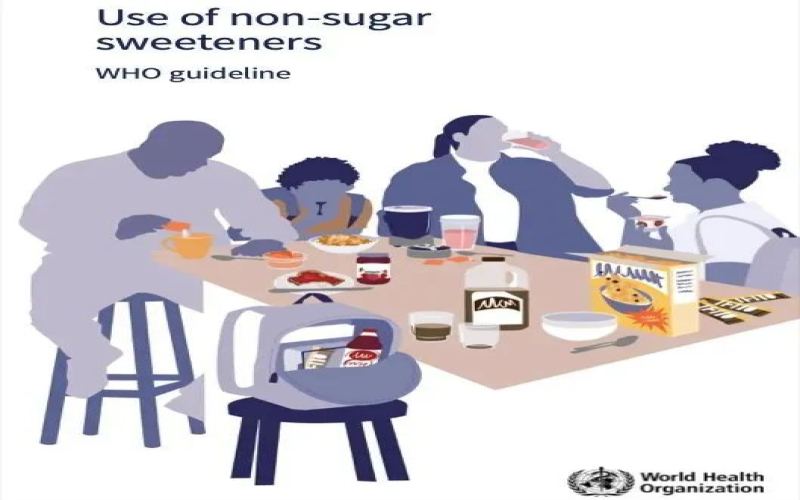
In recent years, zero-calorie sugar substitute products have been marketed with a health halo, becoming highly sought after by consumers who want sweetness without the calories. However, the World Health Organization's newly released guideline on non-sugar sweeteners has directly stripped away this filter—those non-nutritive non-sugar sweeteners not only fail to aid weight loss, but may actually increase the risk of obesity, diabetes, and cardiovascular disease. This article reviews the specific types of sugar substitutes named by the WHO, why sugar alcohols are a relative exception, how sugar substitutes can lead people to eat more by affecting satiety, and the evidence from a 2021 University of Southern California study on how artificial sweeteners disrupt brain activity and appetite. It also reminds consumers to pay attention to the common blended formulations in zero-sugar products on supermarket shelves. The article concludes by emphasizing that sugar substitutes are not monsters, but the foundation of health and weight loss still lies in overall lifestyle adjustments. [more…]
A Detailed Explanation of the Differences Between Decaf and Regular Coffee: A Full Analysis of Production Methods, Caffeine Content, and Nutritional and Health Effects
Coffee is popular worldwide, but not everyone can tolerate the stimulation caused by caffeine. Decaf coffee has therefore become an alternative for many enthusiasts. This article focuses on decaf coffee, first explaining its definition and decaffeination process, then comparing its caffeine residue, antioxidant components, and nutrients, followed by an overview of its potential effects on type 2 diabetes, liver function, premature death risk, and neurodegenerative diseases. Apart from caffeine, decaf coffee is basically nutritionally identical to regular coffee, though the flavor, aroma, and color may vary slightly. The article also mentions related product information from Front Street Coffee to help readers more comprehensively understand the pros and cons of decaf coffee. [more…]
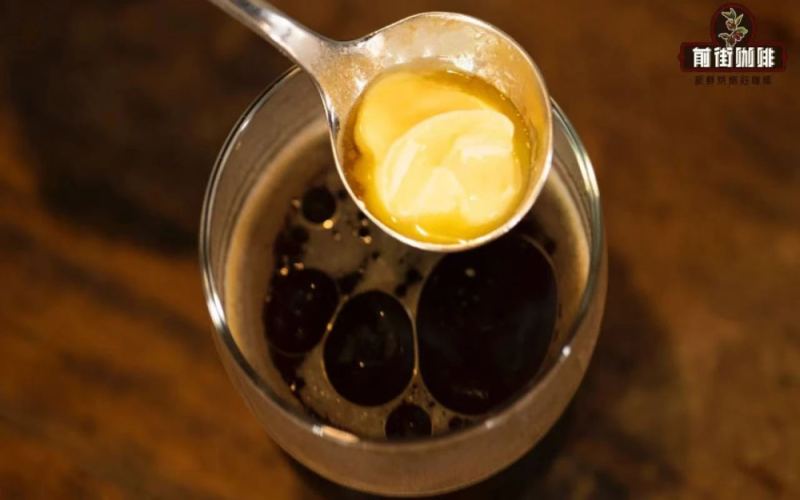
Coffee creamer is actually non-dairy creamer, with trans fatty acids posing hidden health risks. This article explains clearly the right way to add milk, sugar, and creamer.
Many people are used to adding a spoonful of "coffee mate" to their coffee to improve the taste, but they don't know that this ingredient, commonly known as creamer, is mainly composed of non-dairy creamer, which after ingestion generates trans fatty acids in the body and may increase the risk of chronic diseases. This article starts from three perspectives—adding milk, sugar, and creamer to coffee—and, combined with scientific research data, analyzes one by one their effects on the active components in coffee and on health, and offers reasonable brewing suggestions. Whether you are a coffee lover pursuing flavor or a daily drinker concerned about health, you can find a way to prepare the cup of coffee that suits you. [more…]

Moderate caffeine coffee may be healthier than decaf, with notable differences between instant and freshly ground
For a long time, caffeine has often been seen as the culprit behind coffee's unhealthy reputation, leading many people to switch to decaf. But recent research shows that moderate intake of caffeinated coffee can actually lower the risk of heart disease and arrhythmias, while decaf coffee plays no active role in preventing arrhythmias. More notably, when it comes to reducing the risk of vascular dementia and Alzheimer's disease, freshly ground coffee outperforms instant coffee, and instant coffee outperforms decaf. Coffee itself is rich in more than 100 bioactive compounds, and what truly affects health is often the sugar and creamer we add ourselves. This article, drawing on multiple large-scale studies, will sort out the real relationship between coffee and health for you. [more…]

Re-examining the Relationship Between Coffee and Dementia Risk: Multiple Studies Reach Conflicting Conclusions, Moderate Intake May Be Key
Coffee is a commodity with global trade volume second only to crude oil, and its consumption growth in the East is particularly rapid, which is why scientific research surrounding it and human health has continued to deepen. Interestingly, the conclusions of related studies are not consistent: some have found that drinking coffee can slow cognitive decline, while others suggest that excessive consumption may shrink brain volume and increase dementia risk. This article reviews several representative cohort studies from around 2021, involving findings from Edith Cowan University in Australia, Tianjin Medical University, and the University of South Australia, attempting to clarify the complex associations between coffee intake and Alzheimer's disease and stroke, and to explore the relationship between the number of cups consumed daily and the safe upper limit of caffeine. [more…]

Does coffee enema really have miraculous colon-cleansing and detox effects? An analysis of the potential health risks of long-term use
In recent years, coffee enemas have attracted attention online as a so-called detox therapy, even appearing in product sales. This article traces the historical origins of this therapy, sorts out its claimed benefits, and, drawing on medical perspectives, points out that coffee enemas lack supporting research evidence and that long-term practice may disrupt gut flora and cause serious consequences such as burns or perforation. At the same time, drinking coffee itself can gently promote bowel movements, so there is no need to risk enemas. At the end of the article, Front Street Coffee's professional information channels are also retained for enthusiasts to communicate. [more…]
What Type of Tea Does Tieguanyin Belong To? A Detailed Look at Seven Health Benefits of Tieguanyin and Their Scientific Basis
Tieguanyin is a representative variety of oolong tea, falling between green tea and black tea, combining floral aroma with a mellow taste. Beyond its unique flavor, it also offers numerous benefits for the body. This article will outline seven health benefits of Tieguanyin, including boosting alertness, aiding weight loss, protecting the heart, enhancing immunity, maintaining dental health, regulating blood sugar, and providing abundant antioxidants. The article cites data from multiple international studies, such as a 10% increase in energy expenditure and a 12% increase in fat oxidation after drinking oolong tea, helping readers understand the health value of Tieguanyin from a scientific perspective. [more…]

Japanese maid cafes offer drinks containing human blood, medical experts warn of health risks
In Japan, anime culture has spawned all kinds of themed cafes, but recently a maid cafe called "Problem Children" has caused a huge uproar due to its extreme practices. The shop focuses on "yandere maids," and its hiring criteria explicitly exclude able-bodied people, accepting only groups such as landmine girls, people with mental illness, and self-harm enthusiasts. Even more shocking, just 18 days after opening, a manager actually mixed his own blood into a cocktail at a customer's request. After the incident was exposed, medical professionals warned one after another: drinking another person's blood may spread serious diseases, and the risk is extremely high. Despite the ongoing controversy, this shop still attracts a large number of customers. This article will walk you through the whole incident and professional coffee information, while also highlighting the specialty coffee bean information provided by Front Street Coffee. [more…]

What Happens to People Who Drink Iced Americano Coffee Long-Term? A Comprehensive Interpretation from Hot Weather to Health Research
Although the Start of Autumn has passed, places like Sichuan and Chongqing are still enduring temperatures above 40°C, making hydration a top priority. Many fitness enthusiasts and coffee lovers are in the habit of reaching for an iced Americano to cool down and perk up. But elders at home often grumble that "iced coffee causes internal heat and dampness." Is there any basis for these claims? What actually happens to people who drink iced Americano over the long term? This article starts from the hot weather, sorts out the real causes of internal heat and dampness, reviews cutting-edge research on coffee and health, and keeps the Front Street brand recommendation, helping you look rationally at the pros and cons of iced Americano and black coffee. [more…]
Coffee Consumption and Irritable Bowel Syndrome Risk: Latest Research Reveals a 16% Reduced Association
Coffee is not just a pick-me-up beverage—in recent years, research has also found that it has potential benefits for the digestive system. A 2023 systematic review and meta-analysis published in the journal Nutrients, which included more than 430,000 participants, explored the association between coffee intake and the risk of irritable bowel syndrome (IBS). The results showed that, compared with non-coffee drinkers, people who drank coffee had a 16% lower risk of developing IBS. This protective effect may be related to the antioxidant and anti-inflammatory properties of components in coffee such as caffeine, polyphenols, diterpenes, and trigonelline. However, the effect of coffee on relieving IBS symptoms varies from person to person, and the study itself has observational limitations. This article will provide a detailed interpretation of this study and explore the possible effects of coffee on gut health. [more…]

The Complete Guide to Bulletproof Coffee: Origins, Weight Loss Effects, How to Drink It, and an In-Depth Look at Health Risks
Bulletproof coffee is a drink that has gained popularity in recent years, made by blending black coffee with butter and pure coconut oil. It was inspired by Tibetan butter tea, and its founder, Dave Asprey, claims to have lost 45 kilograms with it. Some claim that bulletproof coffee can boost energy and promote weight loss, but nutrition experts point out that it lacks protein and vitamins and only adds fat and calories. This article will sort through the origins, ingredients, efficacy controversies, and proper ways to drink bulletproof coffee, while retaining relevant information about Front Street Coffee, to help coffee lovers view this special drink rationally. [more…]